Why Play Based Learning Matters in Early Childhood Education
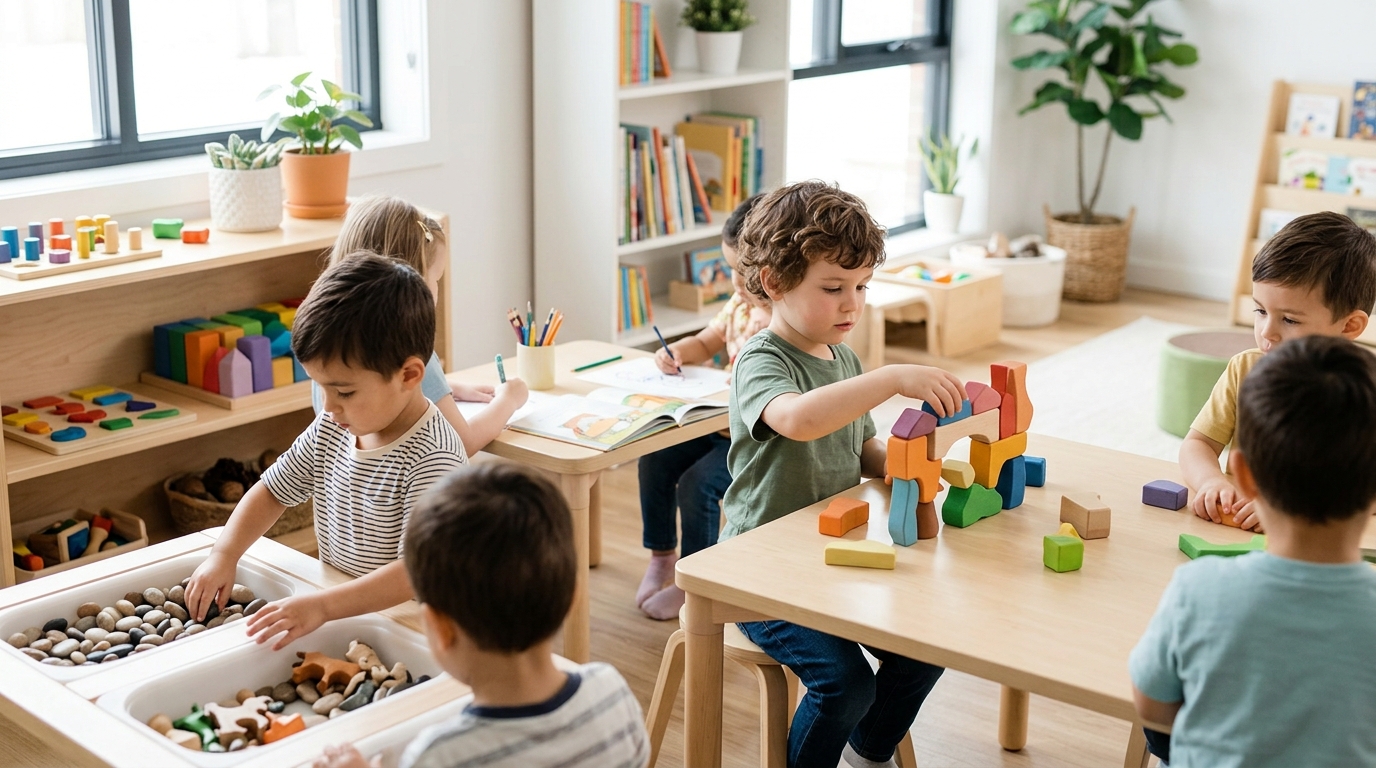
Early childhood education forms the foundation for lifelong learning, emotional growth, and cognitive development. During these formative years, children explore the world primarily through structured play activities. Play allows young minds to express creativity, build curiosity, and understand complex concepts naturally. Choosing the right preschool environment ensures that children develop a strong enthusiasm for learning every single day. Beyond academic readiness, interactive play helps children develop essential social skills. By interacting with peers, young learners practice sharing, empathy, active listening, and teamwork. Group activities encourage clear communication, while simple problem solving games enhance critical thinking abilities. These shared experiences empower children to navigate social situations with confidence and resilience as they grow into thoughtful young individuals. Parents can support this growth by encouraging unstructured playtime and imaginative activities at home. Providing safe spaces, creative toys, and open conversations allows kids to thrive. Partnering with a supportive play school environment helps establish positive routines and healthy learning habits. Investing in a quality early education creates a joyful path for academic success and lifelong personal growth.